


Real Car Rushing
4.3192.00 Reviews
App Specs
- Version
- 1.1.8
- Updated On
- License
- Free
- Downloads
- 100,000+
- Developer
- yimjuin
- Categories
- Casual
- Platform
- Android
Screenshots
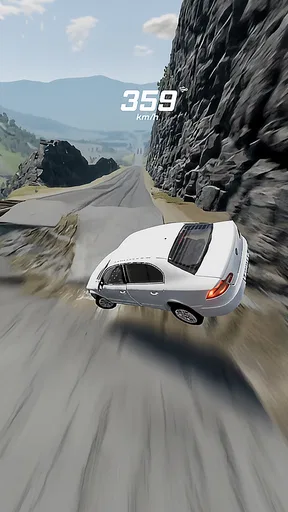
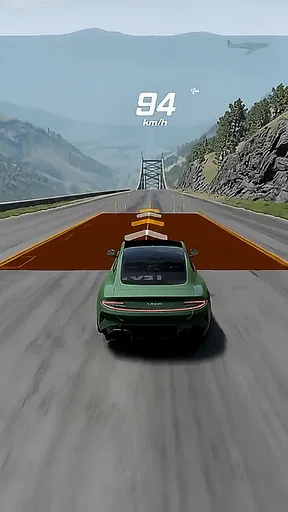
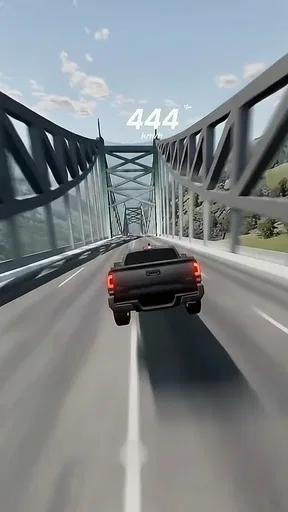
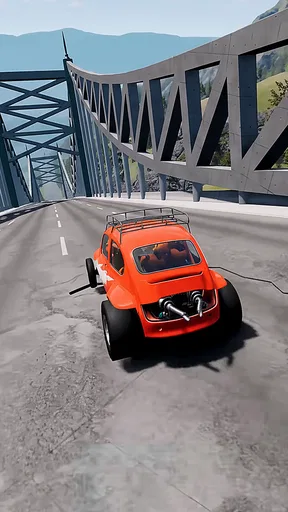
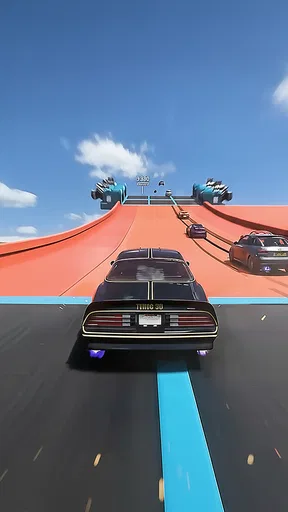
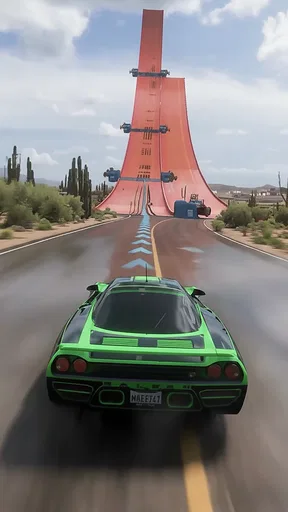
 Analysis by AppCompare
I spent time with Real Car Rushing as a quick, casual driving game, and my first impression was clear: it is built around immediate movement rather than a long introduction. You steer a car in a third-person view, push toward a target area, and try to make each run feel controlled even when the road demands a fast reaction. That simple goal makes it easy to understand, but it also means the game depends heavily on whether you enjoy repeating short driving challenges instead of looking for a deep racing simulation.
The game is free to download and is aimed at Everyone, which makes it approachable for younger players and for anyone who wants something uncomplicated. It comes from yimjuin and sits in the casual game category. The current version is 1.1.6, and it works on Android 7.0 or later. Those details matter because this is the sort of title I would install for a spare moment, not necessarily choose as my main racing game. It asks for a small commitment at the beginning, then lets the driving itself decide whether I stay.
How the driving loop feels in everyday play
The central appeal is the third-person perspective. Instead of watching the car from directly above or looking through the windshield, I get a broader view of the vehicle and the space around it. That perspective gives the action a more physical feel: I am not only choosing a direction, but also judging where the body of the car is in relation to the route and the destination. Reaching the target zone becomes a matter of timing and positioning rather than simply holding a button.
I found the game easiest to enjoy in short sessions. Imagine waiting for a bus, taking a break between tasks, or wanting something to occupy a few minutes without learning a complicated garage system. This is where the design makes sense. The objective is understandable almost immediately, so I can begin playing without studying a large collection of menus or learning a long list of controls. That accessibility is one of its strongest qualities.
At the same time, a straightforward objective can expose weaknesses quickly. If you prefer racing games with several event types, detailed tuning, recognizable tracks, or a large collection of cars, this experience may feel narrow. Its identity comes from rushing toward the destination and handling the route in front of me. It is less suitable for someone who wants a full motorsport package and more suitable for someone who likes a focused arcade challenge.
One useful way to approach each attempt is to stop treating speed as the only goal. I initially wanted to rush directly toward the target, but a cleaner line usually gives me more control than a frantic correction at the last moment. I began looking farther ahead, choosing a direction before the car reached the next section, and using the camera view to prepare for turns. That small change made the game feel less random and gave each restart a practical purpose.
Why the target zone changes the way I drive
The target zone gives every run a visible point of purpose. In a conventional endless runner, I might focus on surviving for as long as possible. Here, I am working toward a specific destination, so the best route is not always the most aggressive one. I need to balance momentum with the risk of arriving from an awkward angle. That trade-off is especially important for players who instinctively hold forward and correct only when a problem appears.
Worth Reading Before You Choose

EA SPORTS FC Mobile 26 Is a Bigger Football Game, but It Takes Time

Flipboard Shows What News Apps Must Do Beyond the Feed

Switching to Android Auto Means Rethinking Your Driving Routine

Google Calendar Makes a Crowded Week Easier to Manage

Ludo King Makes the Most of the Minutes Between Plans

Baby Panda World Brings Quick Play to Modern Phones, but Its Game Library Feels Busy
My advice is to use the first part of a run as information gathering. Notice how much room the car needs to change direction, how quickly a correction affects the vehicle, and whether approaching the destination from the side creates extra difficulty. Once I understood those relationships, I stopped wasting attempts on the same rushed approach. The game does not need a complex upgrade tree to create a small learning curve; the route itself can provide that learning.
This also explains why the title may appeal to two different kinds of casual players. Someone looking for a relaxing, low-pressure diversion can play slowly and focus on reaching the goal. Someone who enjoys refining movement can treat each attempt as a test of cleaner steering. The same simple structure supports both moods, although players seeking constant novelty may eventually want more variety than this format provides.
Progress, repetition, and the pressure to keep going
Casual driving games often rely on repetition, and this one is no exception in spirit. Repeating a route or objective can be satisfying when I feel that my decisions are improving. It becomes less satisfying when failure seems to come from unclear handling or when the next attempt feels identical to the previous one. The important question is not whether the game is simple; it is whether each restart teaches me something useful.
I recommend playing with a short personal goal rather than an open-ended expectation. For example, I might decide to reach the target without making a last-second turn, or to choose a wider approach instead of the fastest-looking line. These goals make the driving more deliberate and prevent the session from becoming a series of impatient restarts. They are also a good test of whether the game has enough mechanical appeal for me personally.
The pressure comes from the rush toward the destination, but I did not find that pressure meaningful in the same way as a structured racing championship. There is no reason here to expect the strategic depth of a traditional racing game, and I would not recommend installing it for that purpose. Its value is in the compact challenge: start, react, adjust, and try again. If that loop sounds enjoyable, the lack of a broad career structure may not matter.
Spending is an important consideration whenever a free game is involved. Real Car Rushing is free, but the available facts establish the download price only; they do not establish a purchase system, optional paid items, or a required payment path. I therefore would not make claims about buying advantages or pressure that the game itself does not clearly demonstrate. My practical advice is to review the in-game screens on your own device before spending anything, and to treat the free entry point separately from any purchase decision.
Fairness when the goal is driving rather than collecting
From a fairness perspective, the most important thing is whether success feels connected to steering and timing. The game’s stated focus is reaching the target area in a third-person driving view, so I judge it mainly by how understandable the vehicle’s response feels. A casual game can be fair without being easy: I should be able to recognize why a run failed and adjust my approach on the next attempt.
I would be cautious about comparing it directly with competitive racing games that put players into large online rankings or long-form events. Those games usually need carefully balanced vehicles, track design, matchmaking, and progression systems. Real Car Rushing is better understood as a self-contained driving challenge. That makes the fairness question simpler: does my control over the car matter more than hidden advantages? Without confirmed details about competitive systems or purchases, I would not present it as an esports-style contest.
For a child or a family member trying it for the first time, the Everyone age rating makes the game broadly approachable. I would still watch how the player responds to repeated failure, especially if they are very young. The uncomplicated objective is helpful, but the rush toward a target can encourage hurried movements. Teaching the player to plan the approach rather than simply swipe or steer harder can turn frustration into a useful lesson about control.
There is also a fairness advantage in the absence of a complicated learning barrier. I do not need prior knowledge of real racing lines, vehicle classes, or tuning terminology to understand the basic task. That makes it more welcoming than simulation-focused alternatives. However, players who enjoy comparing lap times, adjusting suspension, or managing a racing career should choose a more specialized title. This game’s simplicity is both its invitation and its boundary.
What I would check before making it a regular game
The public facts give a useful snapshot of its reach: it has passed 100K+ installs, holds a 3.7 average from around 604 ratings, and has around 84 written reviews. I read those figures as signs of a modest, established audience rather than proof that the game will suit everyone. A rating in that range suggests a mixed experience, so I would approach it with realistic expectations instead of assuming that the short description tells the whole story.
The release date is Jun 4, 2026, which also gives the version information some context. The game is still something I would evaluate as a focused casual title rather than a mature, content-heavy racing platform. Its developer, yimjuin, is clearly identified, and the current version is 1.1.6. If updates matter to you, checking the version shown on your device before installing is sensible, particularly because compatibility begins at Android 7.0.
There are several questions I would answer through actual use rather than guesswork. Does the handling remain comfortable after repeated attempts? Is the target always easy to read during movement? Does the game feel better with a careful pace than with constant acceleration? These are not cosmetic details. They determine whether the title works as a satisfying five-minute break or becomes a frustrating loop after the novelty fades.
I would also pay attention to how the game fits my phone habits. A third-person driving view benefits from a clear display and steady touch control, so cramped screens or a player who dislikes touch steering may have a harder time. I would not assume that every device gives the same feel. The minimum operating system requirement tells me whether an Android version is eligible, but it does not guarantee that every older phone will make the controls equally comfortable.
Another practical question is whether the game matches my preferred kind of variety. If I want a relaxing diversion with one recognizable task, the focused design is useful. If I need changing objectives, a collection of vehicles, detailed customization, or a long campaign, I should look elsewhere. The usual alternatives in the casual racing category often emphasize endless survival, obstacle dodging, or collecting rewards. This game stands apart by making the destination itself the main reason to keep moving, but that focus can feel limited beside broader arcade racers.
Three ways to get more from each attempt
First, I recommend separating route learning from speed attempts. On the first run through an unfamiliar challenge, I would prioritize seeing how the car turns and where the target sits. On the next attempt, I would improve the approach. This two-stage habit reduces the common mistake of trying to set a perfect run before understanding the space.
Second, I would make small steering corrections early. A late correction may require a sharper movement and can send the car away from the target. Looking at the vehicle’s position relative to the destination, rather than staring only at the center of the screen, helps me make smoother decisions. This is a subtle but valuable difference between reacting to failure and preventing it.
Third, I would stop a session when the decisions become automatic. Because the main loop is compact, frustration can build when I repeat an unsuccessful approach without changing anything. Taking a break is not just general advice; it fits this particular design because the game rewards observation and adjustment more than endurance. Returning later with a different line can be more productive than forcing another identical attempt.
These habits also reveal the game’s main trade-off. It offers enough control for personal improvement, but it does not necessarily provide the layered systems that keep a dedicated racing fan engaged for a long time. The enjoyment comes from making the next run cleaner. If that kind of small improvement feels rewarding to you, the simplicity works in its favor. If you need a constant stream of unlocks or competitive goals, the same simplicity may feel like a missing feature.
Who should install it, and who should skip it?
I would recommend Real Car Rushing to someone who wants a free, easy-to-understand casual driving game with a clear destination. It is a good fit for short breaks, for players who like third-person movement, and for families looking for an Everyone-rated title with an immediately understandable premise. It can also suit players who enjoy practicing a route and improving their approach without studying a detailed simulation.
I would skip it if my priority were realistic racing, deep car management, online competition, or a large progression system. I would also be cautious if I dislike repeating a similar objective or if touch-based steering quickly irritates me. A broader arcade racer would be a better choice for someone who needs frequent changes in activity, while a simulation game would better serve a player interested in authentic vehicle behavior and tuning.
For spending, I would keep expectations measured. The game is free to start, and the confirmed information does not establish paid features or a purchase advantage. That means I would judge the basic driving experience first and make no assumption that paying is necessary or beneficial. If any purchase prompt appears during play, I would read it carefully and decide based on the exact offer shown rather than on general expectations about free games.
My trust verdict after looking beyond the first run
My overall view is cautiously positive. The game has a clear identity: drive from a third-person perspective, rush toward the destination, and improve through better positioning. I appreciate that the basic task is easy to understand and that the game can fill a short gap in the day without demanding a long tutorial. The audience size and the 3.7 average show that it has attracted real interest, while also reminding me that it is not a universal favorite.
What keeps me from giving an unqualified recommendation is the narrow scope. The experience depends on whether the driving itself remains enjoyable after the first few attempts. I also prefer to keep purchase expectations grounded in what is actually displayed in the game, since the confirmed listing establishes that it is free but does not establish a wider spending model. That is a reason to stay attentive, not a reason to assume a problem.
In the end, I see this as a small, focused casual game rather than a replacement for a full racing collection. I would install it when I wanted direct action and a target to work toward, then decide from the handling whether it deserved a permanent place on my phone. If you enjoy short driving challenges where careful approach matters as much as speed, it is worth trying; if you want depth, variety, or a serious competitive structure, choose a different kind of racer.
Pros
- Simple controls make it easy to start racing quickly.
- Short races are convenient for casual play sessions.
- Arcade-style gameplay feels accessible to newcomers.
- Car variety adds motivation to keep progressing.
- Works well for players who enjoy fast
- uncomplicated challenges.
Cons
- Gameplay may become repetitive after extended sessions.
- Progression can feel limited for experienced racing fans.
- Some vehicles or upgrades may require considerable grinding.
- Arcade physics may not satisfy players seeking realistic handling.
- Performance can vary on older Android devices.
FAQs for Real Car Rushing
What is Real Car Rushing, and how is the gameplay?
Real Car Rushing is an arcade-style driving game focused on fast reflexes, traffic avoidance, and continuous forward movement. After testing it, the main appeal is its simple control system: you guide the vehicle, avoid collisions, and try to travel as far as possible while the pace gradually becomes more demanding. It is designed for short, casual gaming sessions rather than a deep racing simulation.
Is Real Car Rushing free to download and play?
Real Car Rushing can generally be downloaded without an upfront purchase, allowing players to try the core driving experience at no initial cost. However, availability of advertisements, optional in-app purchases, or other monetization features may depend on the version and platform. Before installing, users should check the store listing for current pricing details, supported purchases, and whether any content requires payment.
Does Real Car Rushing require an internet connection?
The basic driving gameplay appears suitable for quick sessions and may work without a constant internet connection, which is useful when traveling or playing with limited data. Nevertheless, some features can depend on connectivity, including advertisements, updates, analytics, leaderboards, or promotional content. It is best to launch the game once online after installation and review its behavior before relying on offline access.
Is Real Car Rushing suitable for children and casual players?
Real Car Rushing is relatively easy to understand because its objective is straightforward and the controls are usually introduced quickly. Casual players can start playing without learning complicated racing mechanics. Parents should still review the age rating, advertising policy, and possible in-app purchases on the relevant app store, since these details can vary by device, region, and the particular published version.
What should I check before downloading Real Car Rushing?
Before downloading Real Car Rushing, check that your Android or iOS device meets the listed operating-system requirements and has enough free storage for the installation and future updates. Also review the most recent screenshots, permissions, privacy information, advertisements, and user feedback. Because mobile games can receive frequent changes, these details are the best way to confirm that the current version matches your expectations.


